
Luxury packagingMOQ300 pcs Sampling10-16 days sampling MaterialsGreyboard, coated paper, magnetic closure
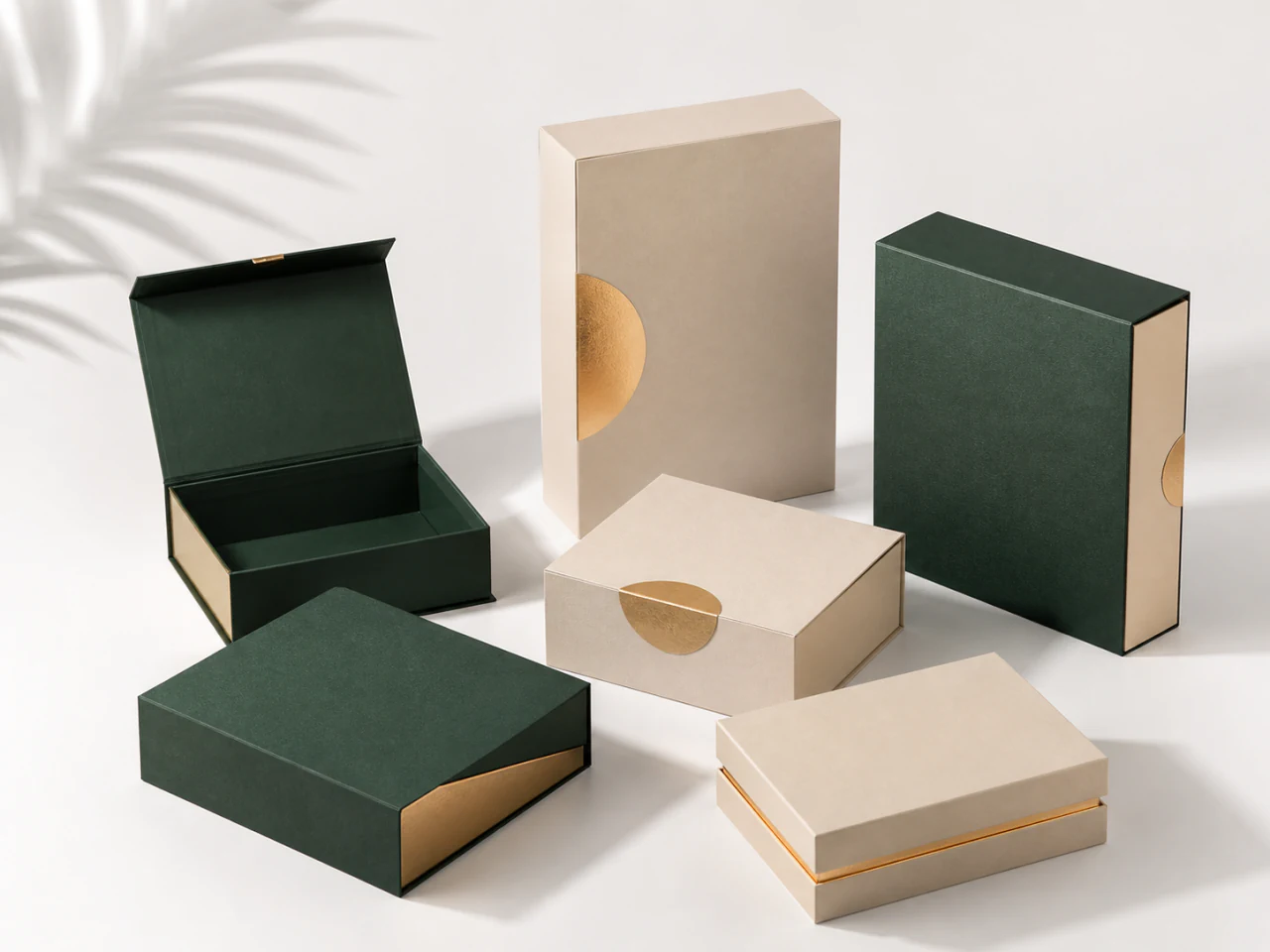
Rigid Boxes
Premium rigid packaging for high-value products that need better shelf impact.
Artwork preflightDieline, bleed and print risk checks.
Supplier routeStructure, material and MOQ guidance.
Specifications
Practical packaging specs
Use these fields to prepare a quote request and compare supplier feasibility.
MaterialsGreyboard, coated paper, magnetic closure
MOQ300 pcs
Sampling10-16 days sampling
ApplicationsLuxury brands, retail and e-commerce
PrintingCMYK, Pantone, foil, UV and embossing options
ShippingExport carton packing and global delivery support
Custom options
Control structure, finish and cost
The right packaging route depends on product value, sales channel, quantity and target delivery window.
Material
Select paperboard, kraft, rigid board, corrugated or molded pulp based on product value and shipping risk.
Printing
Use CMYK, Pantone, spot color or label-based print depending on quantity and brand color needs.
Finishing
Choose matte, gloss, soft-touch, foil, embossing, debossing or spot UV for shelf impact.
Insert options
Add paperboard, EVA, molded pulp or velvet inserts when protection and presentation matter.
Artwork review
Check dieline, bleed, color, barcode and compliance labels before sampling.
Cost control
Adjust structure, finish and material to keep MOQ and unit price practical.
Buying guide
How to source Rigid Boxes
A strong quote starts with practical packaging inputs, not just a reference photo.
For luxury buyers, the fastest path is to clarify product size, target quantity, sales channel, finish level and artwork readiness. This lets a supplier decide whether the project should use a folding carton, rigid box, corrugated mailer, bag, tube, sleeve or insert-based route.
Need a supplier-side check?
Send quantity, dimensions and target market for a practical review.
- Product dimensions: measure the product, retail unit and shipping carton before selecting a structure.
- Sales channel: shelf retail, Shopify, Amazon FBA and influencer kits all require different packaging priorities.
- Brand position: premium products often need tactile paper, inserts and finishing; launch tests should control complexity.
- Market destination: confirm labeling, barcode, material and shipping expectations for the target country.
- Artwork status: final artwork is useful, but a reference image and rough dimensions are enough for first feasibility review.
Cost planning
What changes the quote
Use this table to compare cost, material and lead-time tradeoffs before requesting samples.
| Decision point | Practical guidance | Impact |
|---|---|---|
| Structure | Folding carton, rigid box, mailer and tube structures carry different tooling and labor requirements. | Changes MOQ, sample time and unit price. |
| Material | Greyboard, coated paper, magnetic closure can be adjusted by thickness, coating and certification needs. | Affects durability, sustainability and perceived value. |
| Print method | CMYK is practical for most jobs; Pantone and spot colors help with strict brand matching. | Affects color consistency and setup cost. |
| Finishing | Foil, embossing, debossing, spot UV and soft-touch films should be used where they improve buying confidence. | Improves shelf impact but adds lead time. |
| Quantity | 300 pcs is the common starting point for this route, with better pricing at higher repeat volumes. | The strongest lever for unit cost. |
Sample checklist
What to check before mass production
Sampling is where most packaging risk should be caught before money is committed to bulk production.
- Structure: check opening, closing, product fit and insert stability.
- Print: compare color under daylight and store lighting, not only on screen.
- Finish: inspect foil edges, embossing depth, lamination marks and scratch resistance.
- Packing: confirm export carton size, inner packing method and damage risk during shipping.
Typical sampling for this route is 10-16 days sampling. Complex inserts, special paper, foil tooling or strict color matching can extend the schedule. Buyers should approve both the physical structure and visual finish before confirming bulk production.
Quality path
How the project is checked before bulk production
This is the trust layer buyers need before sending artwork or committing to samples.
Supplier-side review
We check whether the requested structure, quantity and finish have a practical production path before sampling.
Artwork and dieline check
Artwork, bleed, barcode, color and finish risks are reviewed before mass production assumptions are locked.
Export packing logic
Packing method, carton route and destination expectations are considered early for overseas buyers.
FAQ
Rigid Boxes questions
Answers are written for buyers comparing custom packaging suppliers.
What information do you need for a first quote?
Product type, approximate size, quantity, destination country, sales channel and artwork status are enough for an initial feasibility review. Reference photos, target budget and launch date improve accuracy, but they are not required for the first reply.
Can I request a quote before final artwork is ready?
Yes. Many buyers start with a reference image, rough dimensions and quantity. We can first check whether the structure, MOQ and material route are realistic, then review final artwork or dielines before sampling.
What should a good first reply include?
A useful first reply should clarify the practical packaging route, MOQ range, sample timing, material or finish direction, missing details and the next decision needed before a confirmed quote.
What is the typical MOQ for custom packaging?
Most folding cartons, mailers and paper bags start around 500 to 1000 pieces. Rigid boxes, inserts, tubes and specialty finishes may need different starting quantities. The practical MOQ depends on structure, material, print method and whether tooling is required.