
Requirement
What the buyer needed, including quantity, market, launch timing, artwork status and product risk.
Case pages demonstrate requirements, material choices, production logic and final outcomes so buyers can trust the quote path before submitting artwork.
Case pages are conversion assets. They should show the buyer problem, tradeoffs, supplier route and final packaging decision.
What the buyer needed, including quantity, market, launch timing, artwork status and product risk.
Why a specific structure, material, insert or finish was selected instead of a generic option.
What was approved before mass production and what the buyer can repeat in future orders.
Until real testimonials and verified project data are added, case pages should still explain practical sourcing logic.
Send a dieline, PDF or reference image. We check obvious print, bleed, structure and feasibility risks before sampling.
Qualified requests with product type, quantity and target market can be reviewed quickly for a practical price path.
Confirm fit, material, print and finishing before committing to mass production.
If one structure is too expensive, we suggest a simpler route that still fits launch goals.
Use these examples to compare material, structure, MOQ and risk-control decisions.

A skincare startup needed low MOQ cosmetic boxes for a 6-SKU launch.

A fragrance brand required small-batch rigid boxes with stable inserts.
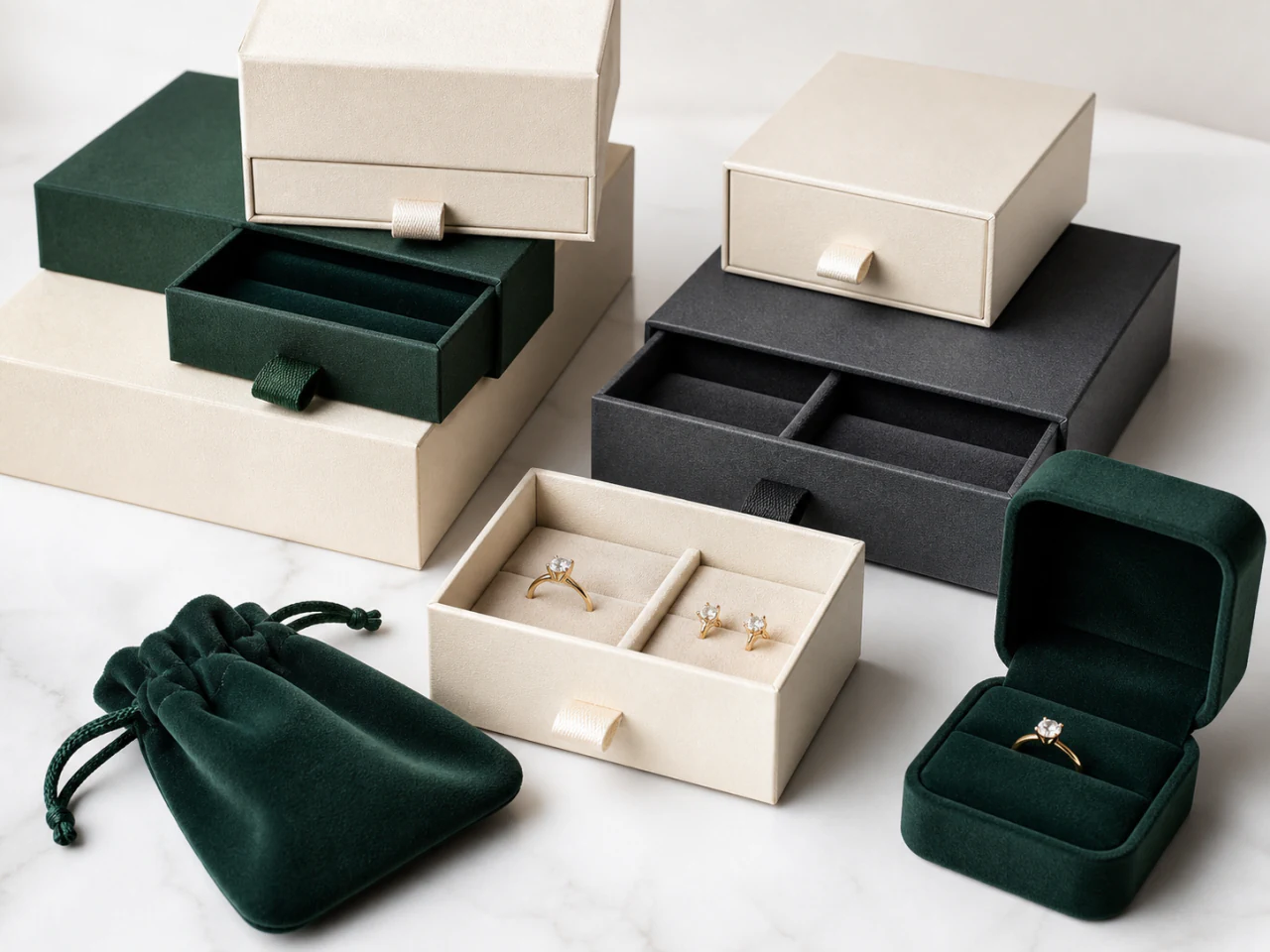
A jewelry seller needed packaging suitable for postal delivery and gifting.

A food brand wanted a fast packaging update without changing trays.

A seasonal gift company needed one visual system across multiple SKUs.
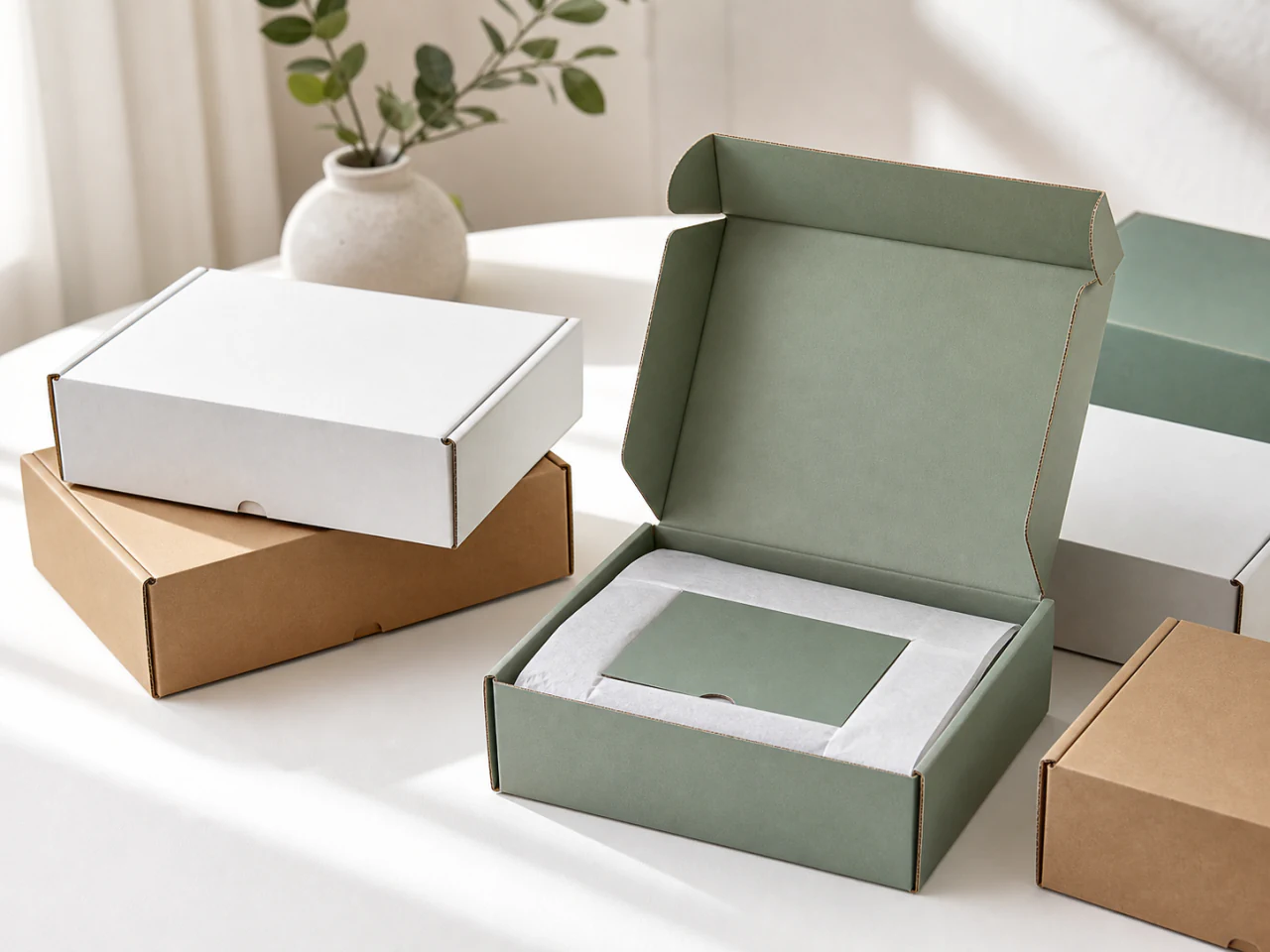
An online brand wanted recyclable packaging without losing brand impact.